

Forex trading is one of the most lucrative and exciting investment opportunities available today. With a daily trading volume exceeding $6 trillion, the Forex market is the largest and most liquid financial market in the world. Whether you’re a seasoned trader or a novice, understanding how to navigate this vast landscape can significantly enhance your trading experience. In this article, we delve into the intricacies of Forex trading, including vital strategies, tips, and tools to help you succeed. For those looking for a reliable platform, consider checking out trading forex Trading Broker ID, which offers various features to facilitate your trading journey.
Understanding Forex Trading
The Forex market operates on the exchange of currencies, where traders speculate on the price movements of currency pairs. Unlike stock markets, the Forex market is decentralized, meaning that transactions occur between participants directly, often through brokerages. This unique structure allows for 24-hour trading, spanning five days a week, accommodating traders from different time zones and regions.
Key Components of Forex Trading
- Currencies: Each currency is identified by a three-letter code (e.g., USD for the US Dollar, EUR for the Euro). Currency pairs signify the relationship between two currencies (e.g., EUR/USD).
- Pips: The smallest price move in a currency pair, often used to measure price changes in the Forex market.
- Leverage: A tool that allows traders to control a large position with a relatively small amount of capital. While it can amplify gains, it also increases the risk of significant losses.
- Margin: The amount of money required to open a leveraged position. Understanding margin requirements is crucial to effectively managing risk.
Popular Trading Strategies
Traders employ various strategies to navigate the Forex market effectively, all tailored to their risk tolerance, time commitment, and goals. Here are some popular strategies:
1. Day Trading
Day trading involves opening and closing trades within the same trading day, often capitalizing on short-term price fluctuations. Day traders require a solid understanding of technical analysis, actively monitor the market, and are usually equipped with quick decision-making skills.
2. Swing Trading
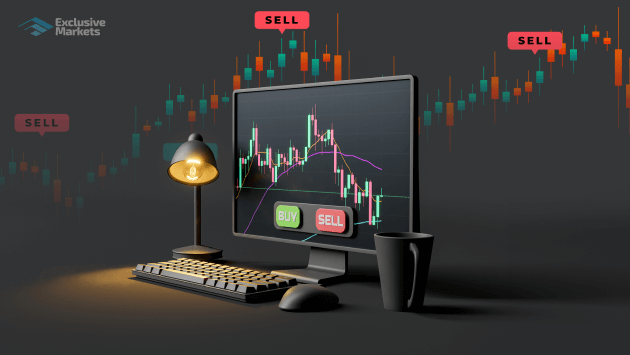
In swing trading, traders aim to profit from price swings or market moves over several days or weeks. This strategy typically involves using both fundamental and technical analysis to identify potential trades.
3. Position Trading
Position trading is a long-term strategy where traders hold positions for weeks, months, or even years, emphasizing fundamental analysis and broader market trends. This strategy suits those who prefer a more hands-off approach to trading.
4. Scalping
Scalping is a high-frequency trading strategy focused on making numerous small profits from minor price changes throughout the day. Scalpers typically use advanced trading platforms and rely on detailed charts and indicators to make quick trades.
The Role of Analysis in Forex Trading
Successful Forex traders often employ both technical and fundamental analysis to make informed decisions:
1. Technical Analysis
Technical analysis involves analyzing price charts and indicators to forecast future price movements. Traders look at patterns, trends, and various indicators (such as moving averages, RSI, and MACD) to make predictions about future market behavior.
2. Fundamental Analysis
Fundamental analysis centers on evaluating the overall economic health of countries, which can influence currency prices. Traders should stay informed about economic indicators such as interest rates, GDP growth, and employment figures, as these factors significantly impact currency valuation.
Risk Management in Forex Trading
Effective risk management is essential for longevity in Forex trading. Here are some preventive measures to consider:
- Use Stop-Loss Orders: Implementing stop-loss orders can protect your capital by automatically closing trades at predetermined levels.
- Limit Leverage: While leverage can amplify returns, it can also lead to significant losses. Use leverage wisely to mitigate risk.
- Diversify Your Portfolio: Avoid putting all your capital into a single trade or currency pair. Diversification can safeguard your investment against market volatility.
Choosing the Right Forex Broker
Your choice of broker can significantly impact your trading performance. When selecting a Forex broker, consider the following:
- Regulation: Ensure that the broker is regulated by a reputable financial authority.
- Trading Platform: Look for a user-friendly, reliable, and comprehensive trading platform.
- Spreads and Commissions: Evaluate the spreads and commissions; lower costs can enhance profitability.
- Customer Support: Efficient customer support can be invaluable, especially for new traders.
Continuous Learning and Adaptation
The Forex market is dynamic and constantly changing; thus, continuous learning is crucial for traders. Stay updated on market trends, news, and emerging strategies. Engaging with trading communities and participating in webinars can also enhance your knowledge and skills.
Conclusion
Forex trading presents incredible opportunities, but it demands knowledge, discipline, and an effective strategy. By understanding the market, implementing sound trading strategies, managing risk, and continuously learning, traders can enhance their chances of success. Remember, while the potential for profit is significant, so is the risk. Approach Forex trading with caution and diligence, and consider utilizing reliable platforms like Trading Broker ID to navigate your trading journey effectively.